Over the last two decades, Dubai has become synonymous with bold, record-breaking architecture. The tallest tower, the largest mall, the most complex man-made islands — ambition has always shaped the skyline. But today, a quieter, more refined movement is taking root in the city’s built environment: one that favours artistry over size, and sculptural design over spectacle.
This trend is especially noticeable in the residential sector, where architecture is no longer just about maximising floorspace. Across several new developments in Dubai — particularly in emerging waterfront districts — we’re seeing the rise of what could be called “sculptural living”: homes shaped not just for efficiency, but for expression.
The shift is driven, in part, by changing preferences among residents. While practical features like location, layout, and amenities remain vital, more homebuyers and tenants are now also considering how a building feels. There’s a growing desire for spaces that offer a stronger emotional connection — a design that goes beyond the functional and becomes part of one’s daily inspiration.
In this context, architectural expression is becoming a differentiator. Developers and architects are moving away from uniform glass façades and exploring layered forms, flowing silhouettes, and visual rhythm in massing and materials. The result is a new generation of buildings that appear more like sculptural compositions than conventional high-rises.
The growth of artistic architecture in residential real estate coincides with wider cultural investments across the UAE. Design fairs, public art initiatives, and new museums have helped establish the UAE as a regional creative hub. It makes sense that this mindset would begin influencing how private spaces are conceived — particularly in a city like Dubai, where architecture is such a visible part of identity.
One sign of this shift is the growing number of mid-rise buildings designed with artistic ambition in mind. Unlike the hyper-tall towers of Downtown or Business Bay, these smaller developments often have more freedom to explore texture, façade movement, and integration with nature.
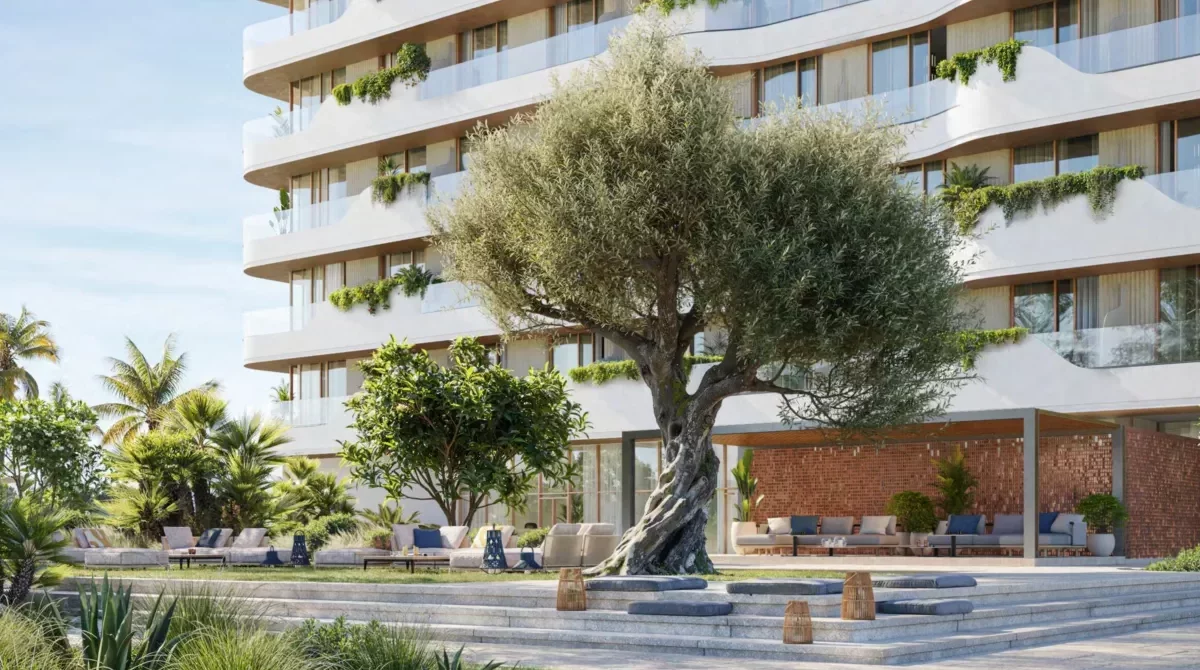
One project that reflects this movement is The Mural by Beyond, a boutique residential development currently under construction in Dubai Maritime City. Its design draws inspiration from mural art, with a sculptural façade made up of flowing curves, rhythmic layering, and landscaped terraces that appear to “wrap” around the structure.
This isn’t decorative for decoration’s sake — it informs the resident experience. Balconies are deep-set and organic, windows are full-height, and greenery plays a central role in the exterior expression of the building. Internally, apartments feature soft palettes, high ceilings, and spatial clarity that feels both artistic and livable.
While it’s just one example, The Mural Beyond is often mentioned in discussions about how design-led architecture is gaining ground in the UAE’s residential sphere. Not because of marketing hype — but because it visually embodies the direction in which the city is heading: less formal, more human.
Interestingly, many of these newer, expressive projects are located in emerging districts rather than already-established hubs. Dubai Maritime City is a case in point. Long viewed primarily as an industrial zone, the area is now being reimagined as a refined coastal enclave with boutique hotels, yacht marinas, and curated cultural spaces.
This gives architects more room — literally and creatively — to develop projects that respond to the unique setting. The lower density, open sea views, and historical context allow for buildings that don’t just fill a plot but contribute to the evolving visual character of the neighborhood.
The district’s transformation has been gradual, but that’s part of its strength. Without a dominant existing skyline, new developments have the opportunity to set the tone. And they’re doing it not with height, but with style and intentionality.
For residents, this architectural shift carries everyday benefits. Sculptural buildings often feature better natural light, more interesting layouts, and stronger connections between indoor and outdoor space. These are elements that contribute to well-being, but are often overlooked in favor of marketing metrics.
There’s also a sense of identity that comes with living in a visually distinct building. In a city where residential towers can sometimes feel interchangeable, sculptural architecture allows a project — and its residents — to stand out without relying on overt luxury branding.
From a market perspective, this uniqueness can support long-term value. Properties that are not just functional but memorable tend to retain appeal even as trends shift.
To be clear, Dubai’s signature skyscrapers aren’t going anywhere. Nor should they — they remain a vital part of the city’s architectural narrative. But alongside them, a new story is unfolding: one of human-scale design, artistic expression, and residential buildings that feel as crafted as they are constructed.
It’s not about replacing glass and steel. It’s about giving them shape. Giving them meaning.
And for those watching Dubai’s architectural evolution closely, it’s a welcome and long-awaited turn.


Discover the latest insights into the UAE’s fast-moving real estate market through our regularly updated collection of informative articles. From next-generation residential communities to high-tech commercial districts, each piece highlights the trends, developments, and investment potential shaping cities like Dubai and Abu Dhabi. Get all the information you need to make smarter decisions in one of the world’s most exciting property landscapes.