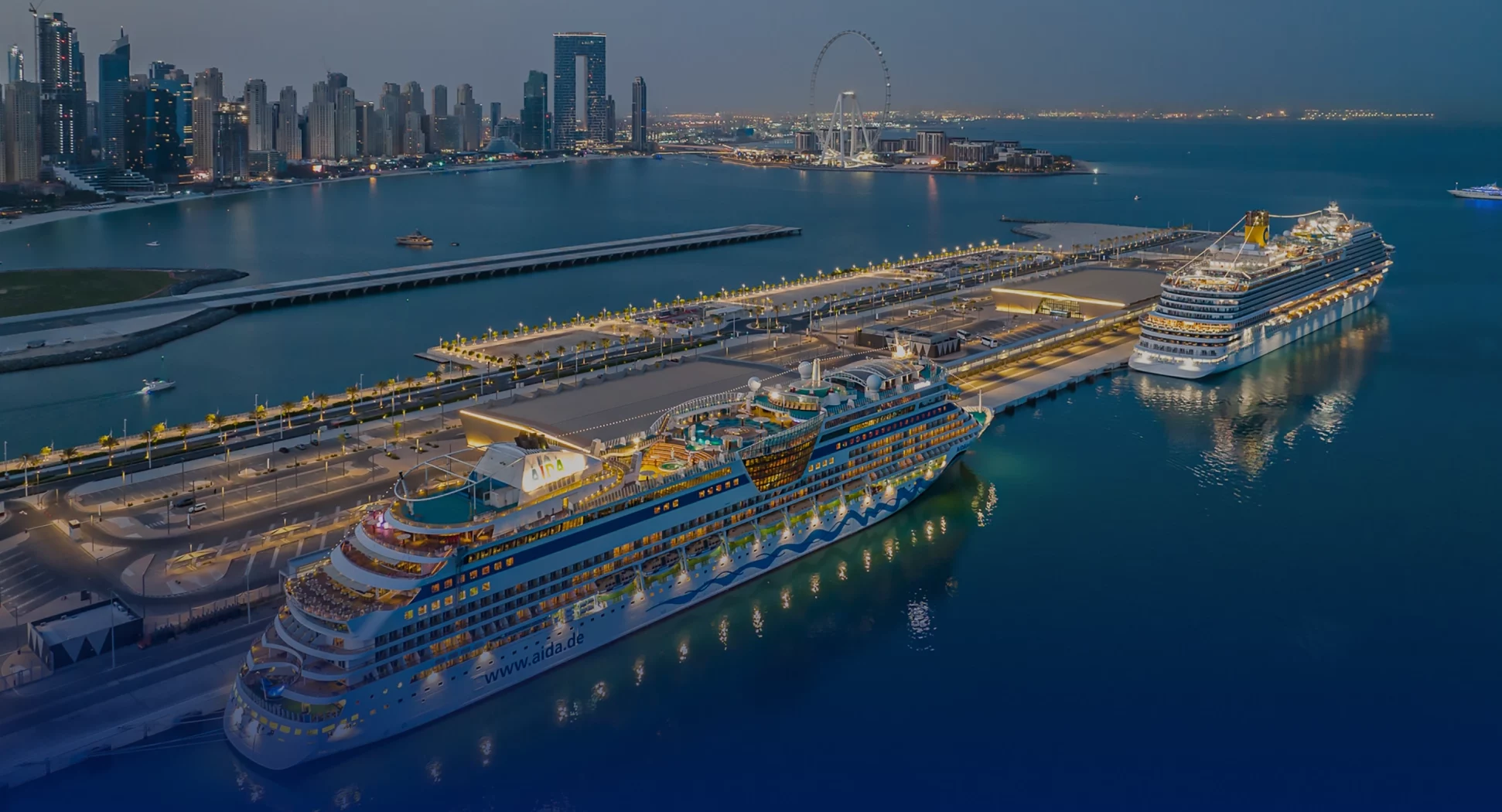
The story of Dubai is often told through its skyline, a vertical testament to rapid modernization. However, the true narrative of the Emirate’s economic resilience and visionary planning is written on the water. Dubai’s maritime industry has undergone a metamorphosis that is nothing short of breathtaking. What began as a historic trading post for dhows and evolved into a playground for luxury yachts has now entered its third and most dynamic phase: a global hub for maritime innovation and technology.
This shift is not accidental. It is the result of a deliberate strategy to position the UAE not just as a consumer of marine luxury, but as a creator and facilitator of the industry’s future. Today, the sector is defined by smart shipping, sustainable technology, and a calendar of world-leading DWTC events that bring the global community to its shores. Let’s explore this remarkable journey and the forces driving Dubai into the next era of maritime excellence. Also, you can explore marine technology exhibition as well on DIBS.
Dubai’s relationship with the sea is ancient. For centuries, the Dubai Creek was the beating heart of the economy, facilitating the pearl trade and connecting the region to India and East Africa. This foundational phase established a deep cultural competence in logistics, navigation, and trade negotiation.
In the late 20th century, this commercial foundation expanded into leisure. The construction of massive ports like Jebel Ali and the development of coastal real estate birthed a new industry: leisure boating. Dubai became synonymous with sun, sea, and luxury lifestyle. The focus was on importing the best vessels, building marinas, and creating a tourism product that revolved around the water. This phase put Dubai on the map as a luxury destination, attracting high-net-worth individuals and creating a booming market for imported yachts.
As the leisure market matured, Dubai moved from consumption to production and support. The establishment of Dubai Maritime City, a purpose-built cluster for the marine industry, signaled a shift towards industrial capability. The city began to attract ship repair yards, refit specialists, and yacht manufacturers.
Local brands like Gulf Craft emerged as global players, proving that the UAE could build superyachts that rivaled the best European shipyards. This era saw the development of a robust supply chain. It was no longer necessary to fly in every spare part from overseas; a local ecosystem of suppliers began to take root, creating jobs and retaining value within the economy.
We are now firmly in the third phase: the age of innovation. The current focus is on high-tech solutions that address the industry’s biggest challenges, namely sustainability and digitization. Dubai is positioning itself as a testbed for the future of marine equipment.
This new era is characterized by:
Innovation cannot happen in a silo. It requires a platform for exchange, debate, and demonstration. This is where the Dubai World Trade Centre (DWTC) plays a pivotal role. The organization’s portfolio of DWTC events acts as an accelerator for the entire industry.
Events like the Dubai International Boat Show and various maritime congresses are not just exhibitions; they are innovation summits. They bring together government regulators, tech startups, and global industry titans. When a company wants to launch a revolutionary piece of marine equipment, be it a new radar system or a hull-cleaning robot, they choose these Dubai-based events because they know the right audience is there. The DWTC ecosystem facilitates the partnerships that turn concepts into reality.
Looking ahead, Dubai’s maritime strategy is focused on knowledge and talent. The goal is to become a center for maritime law, marine insurance, and education. Academies are training the next generation of naval architects and marine engineers.
The industry is moving up the value chain. It’s not just about moving cargo or sailing yachts anymore; it’s about creating the software that manages the fleet, designing the engines of tomorrow, and financing the global trade networks.
The evolution of Dubai’s maritime industry is a masterclass in economic diversification. By leveraging its geographic advantage and trading heritage, the Emirate has built a multi-faceted sector that is robust, innovative, and globally influential. From the wooden decks of a traditional dhow to the touchscreen bridge of an autonomous superyacht, the journey has been spectacular. As Dubai continues to champion cutting-edge marine equipment and host definitive DWTC events, it ensures that the future of the maritime world will be charted in its waters.
Dubai Maritime City (DMC) is a specialized free zone zone dedicated to the maritime industry. It clusters together shipyards, repair facilities, marine service companies, and offices, creating a purpose-built ecosystem for the sector.
The government has launched numerous initiatives, including the “Dubai Maritime Sustainability Program,” which incentivizes green shipping, promotes the use of alternative fuels, and enforces strict regulations on marine discharges.
Trade events provide the necessary platform for networking and knowledge transfer. They allow local companies to access global best practices and technology, while giving international companies a gateway to the regional market.
Yes. While famous for luxury yacht manufacturing (led by Gulf Craft), Dubai’s shipyards also build commercial vessels, tugs, offshore support vessels, and specialized naval craft.