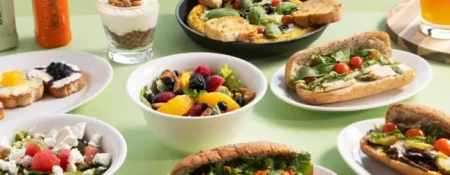
Shawarma is one of the most recognizable dishes of Middle Eastern cuisine and a true symbol of street food culture. Known for its irresistible aroma, tender slices of marinated meat, and warm flatbread wraps, shawarma has grown from a regional specialty into a global favorite. From small roadside stalls in the Levant to modern restaurants across the UAE and beyond, it represents tradition, craftsmanship, and everyday comfort food enjoyed by millions.
The origins of shawarma trace back to the Ottoman Empire during the eighteenth and nineteenth centuries. Inspired by earlier methods of roasting meat over open fires, Turkish cooks developed the vertical rotating spit, allowing meat to cook evenly while preserving its juices. The name “shawarma” comes from the Turkish word çevirme, meaning “turning,” a reference to the rotating method of preparation. As the Ottoman Empire expanded, this technique spread throughout the Middle East, evolving into regional styles across Lebanon, Syria, Jordan, and neighboring regions. Over time, shawarma became deeply embedded in urban food culture, valued for its speed of preparation, affordability, and rich, satisfying flavor.
Shawarma is far more than fast food; it is part of everyday life across the Middle East. It is associated with social gatherings, late-night dining, workday lunches, family meals, and the rhythm of street life in busy cities. For many people, the aroma of shawarma evokes childhood memories, familiar neighborhood shops, and the comfort of food prepared fresh in front of them. Its popularity also reflects regional hospitality, where generous portions, bold seasoning, and simple presentation are meant to bring people together without formality or ceremony.
Over time, shawarma has adapted to different tastes and dietary preferences while preserving its traditional character. Chicken shawarma is the most widely consumed version, marinated in garlic, lemon, yogurt, and warm spices to achieve a tender texture and balanced flavor. Beef shawarma is prepared from thinly sliced cuts, often combined with lamb fat to enhance richness, producing a deeper and more robust taste that pairs well with tahini and pickled vegetables. Lamb shawarma is especially appreciated for its distinctive aroma and full-bodied profile, remaining a traditional choice in many Levantine kitchens. Mixed shawarma combines different meats to offer contrast in both texture and flavor, while vegetarian versions rely on mushrooms, falafel, soy protein, or seasoned vegetables to recreate the familiar spice blend in a plant-based form.

As shawarma traveled across borders, it absorbed the culinary identity of each region. Lebanese shawarma is usually lightly spiced and served with garlic sauce, pickles, and thin Arabic bread, emphasizing freshness and balance. Syrian shawarma tends to be richer in seasoning and often includes French fries inside the wrap, sometimes finished with a touch of pomegranate molasses. In Turkey, the closely related döner kebab is typically served in bread or on a plate with rice and vegetables, while Egyptian shawarma is known for heavier seasoning and tahini-based sauces. In the Gulf region, shawarma is generally milder in spice, larger in portion size, and served with soft khubz bread and creamy sauces. Another version of shawarma, which appeared in Russia, Ukraine, and other Slavic countries and often called shaurma (depending on the region), features juicy chicken, crisp vegetables, cheese, and a rich garlic sauce, creating a heartier and slightly creamier take on the classic Middle Eastern recipe.
Despite these differences, all styles rely on the same essential technique of slow roasting on a vertical spit, which remains the heart of the dish.
In the United Arab Emirates, shawarma holds a special place in daily dining culture. It can be found everywhere, from modest neighborhood cafeterias to shopping malls, food trucks, beach kiosks, and upscale restaurants. Cities such as Dubai, Abu Dhabi, and Sharjah are particularly well known for their shawarma scene, offering everything from traditional Levantine recipes to modern gourmet interpretations with unique marinades and house-made sauces. For residents and visitors alike, tasting shawarma is considered an essential part of experiencing local food culture. Its affordability, quick preparation, and satisfying portion size make it a constant choice for students, office workers, families, and travelers.
The enduring popularity of shawarma lies in its distinctive cooking method, carefully balanced spices, fresh preparation, and remarkable adaptability. It is easy to eat, convenient to carry, and consistently flavorful, whether enjoyed as a quick street snack or served as a plated meal in a restaurant. At the same time, it preserves a strong sense of authenticity, connecting modern diners to centuries of culinary tradition.
Shawarma stands as a powerful example of how simple ingredients, traditional techniques, and cultural heritage can create a dish loved across the world. From its roots in the Ottoman Empire to its prominent place in the vibrant food scene of the UAE, it represents continuity, flavor, and everyday joy. While food trends continue to change, shawarma remains true to its essence: slowly roasted, generously filled, aromatic, and deeply connected to the people and places that shaped its identity.