The UAE has become one of the world’s most active destinations for concerts, sports, exhibitions, brand launches, festivals, and cultural showcases. In Dubai and Abu Dhabi, entertainment is not limited to one season or one type of audience. International artists, regional performers, sporting events, corporate showcases, and family experiences all compete for attention on a crowded calendar.
For event guides that track what is coming next across the Emirates, this growth is important because it changes what audiences expect. People no longer judge an event only by the headline act. They judge the full journey: discovery, ticketing, arrival, staging, hospitality, crowd movement, social media moments, safety, and the feeling they take home afterward.
Large events in the UAE often bring together residents, tourists, corporate guests, creators, sponsors, and media in the same space. That mix creates opportunity, but it also raises the bar. A concert at a major arena, a brand activation at a public venue, or a cultural festival has to satisfy people who may have very different reasons for attending.
The rise of entertainment calendars such as Dubai Calendar shows how broad the market has become, covering concerts, exhibitions, food events, family activities, sport, and business gatherings. Audiences can compare options quickly, which means weak planning becomes more obvious. A good concept is no longer enough if the arrival flow is confusing, the schedule runs late, or the atmosphere feels unfinished.
That is why the role of an event management company has become more strategic. Blink Experience, which operates across the GCC with work in live events, brand experiences, and production, describes event delivery as a combination of creativity and execution. A representative might say: ‘A memorable event is built long before guests arrive. The creative idea matters, but so do the permits, floor plan, crew timing, audience flow, and every detail that makes the experience feel effortless.’
The UAE’s venue landscape has expanded rapidly, and each venue brings its own audience expectations. Etihad Arena on Yas Island, for example, has become a major setting for concerts, sports, comedy, and large scale entertainment in Abu Dhabi. Dubai Opera, Coca-Cola Arena, exhibition centers, hotels, beaches, heritage districts, and outdoor spaces all require different production thinking.
A venue is not just a container for a show. It shapes sound, lighting, access, hospitality, staging, transport, sponsor visibility, and crowd behavior. An event designed for an indoor arena cannot simply be copied into an outdoor festival site. Weather, sightlines, acoustics, seating, food and beverage, and emergency planning all change the experience.
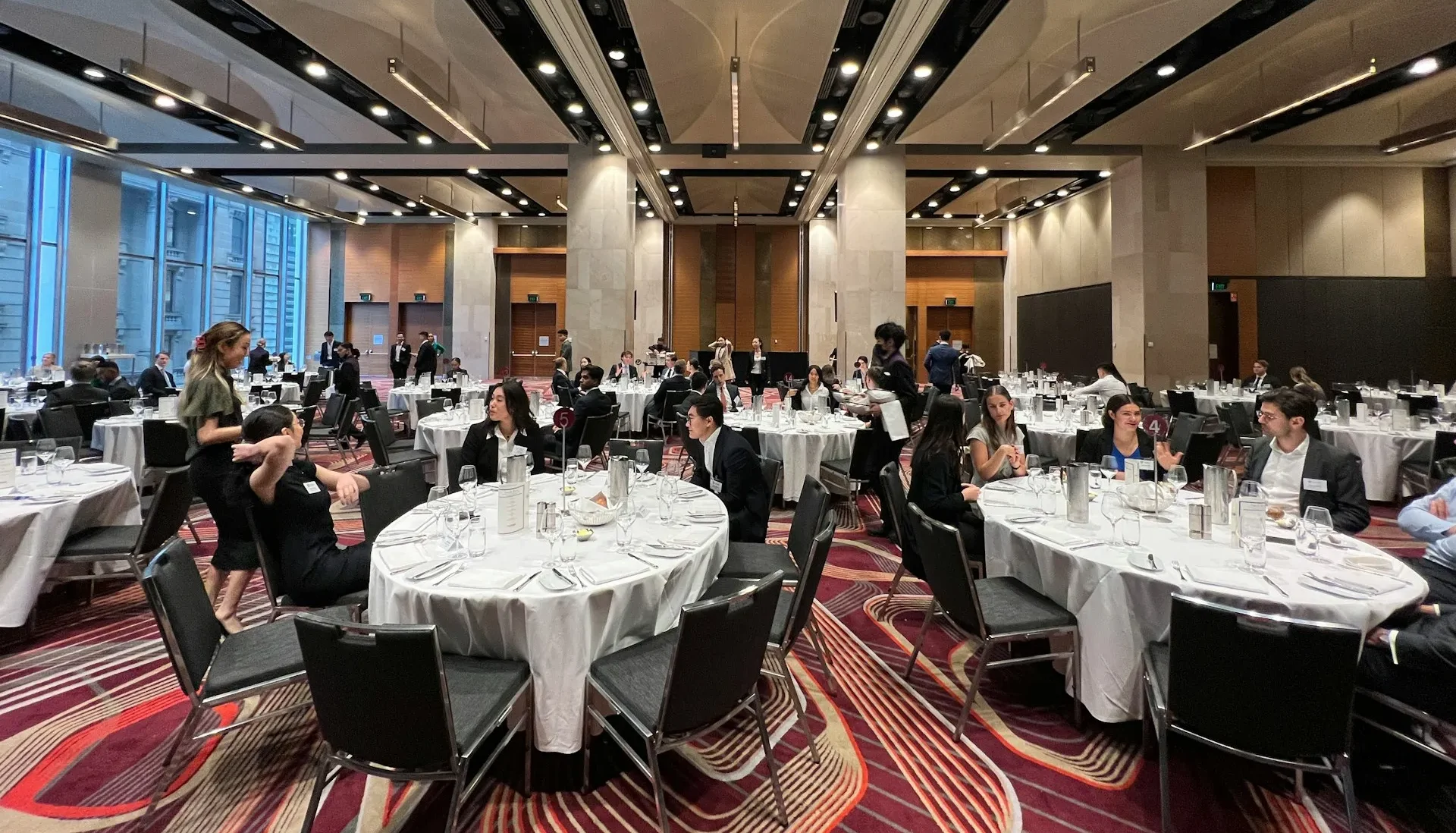
For organizers, the challenge is to make the venue feel intentional. A corporate event should not feel like a standard ballroom with a logo added at the end. A public festival should not feel like a random collection of booths. A concert should build anticipation from the entrance to the encore. Venue planning is now a creative discipline as much as a logistical one.
Digital tools now influence nearly every stage of the event journey. People discover events through online listings, social posts, creator content, and ticketing platforms. They expect clear information before they leave home. At the venue, they expect smooth check in, visible wayfinding, and shareable moments. Afterward, they expect photos, recaps, and clips that extend the memory.
Technology also helps organizers measure success. Registration data, ticket sales, dwell time, social engagement, sponsor interactions, and post event surveys can all reveal what worked. But technology can also expose weaknesses. Long queues, unclear entrances, poor communication, and production delays can spread quickly online.
The strongest events therefore use digital planning without making the experience feel mechanical. A guest should not notice the operational complexity behind the scenes. They should simply feel that the event is easy to navigate, exciting to attend, and worth recommending.
As the UAE entertainment market grows, organizers will need teams that can connect strategy, creative direction, production, logistics, compliance, sponsorship, and audience engagement. The work is too complex to manage in separate silos. A sponsor activation affects guest flow. A stage design affects social content. A permit timeline affects production choices. A hospitality plan affects brand perception.
This is why large scale event management is becoming central to the future of UAE entertainment. Audiences have more choice, venues have more ambition, and brands want experiences that can be felt in person and shared online. The events that stand out will be the ones where every detail supports the same story, from the first announcement to the final guest leaving the venue.


The UAE has become one of the most attractive destinations in the world for businesses of all sizes. But setting up here involves real decisions: which emirate, which free zone, what license type, how to hire, how to bank. We break down the processes, regulations, and opportunities in plain language — for those who are just exploring the idea and for those already operating on the ground.